

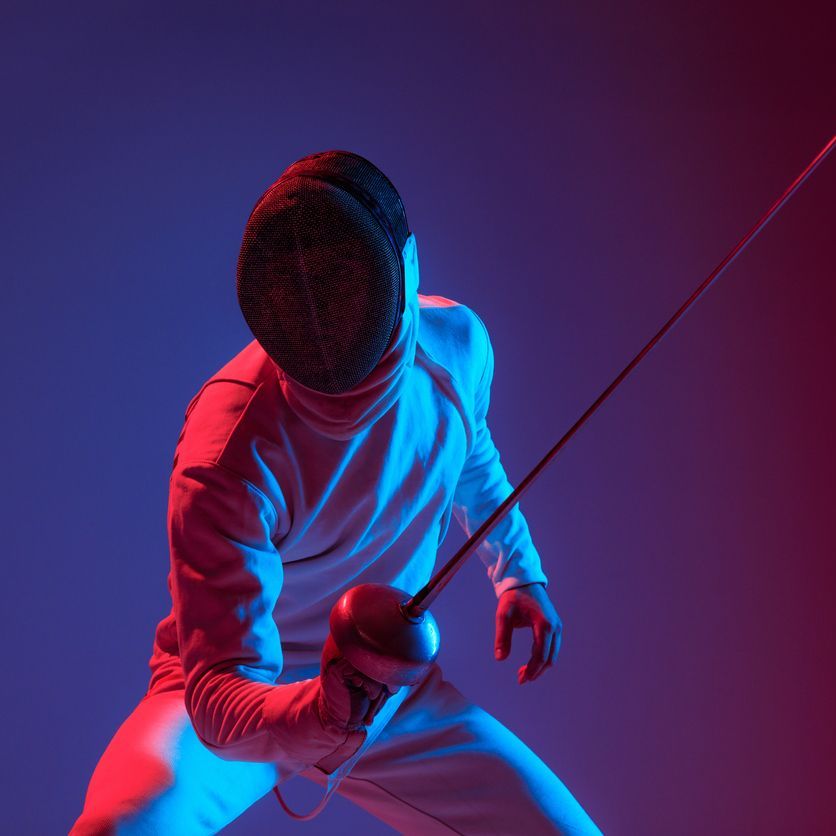

How to Choose the Best Fencing Shoes: Performance, Comfort and Value
Choosing the right fencing shoes isn’t just a gear decision; it’s a foundation for every attack, advance and retreat. In a recent scientific study on collegiate fencers, participants performed faster lunges when wearing fencing shoes compared with court shoes and attack time dropped from 0.96 s to around 0.92 s. At the same time, the study found that using a heel‑cup reduces lower‑limb impact without slowing the lunge. Footwork is the bedrock of the sport, and your footwear directly affects your speed, balance and safety. This guide uses insights from coaches, athletes and recent research to explain what makes a good fencing shoe, how to balance performance with cost, and how to avoid overpaying.
Why specialized footwear matters
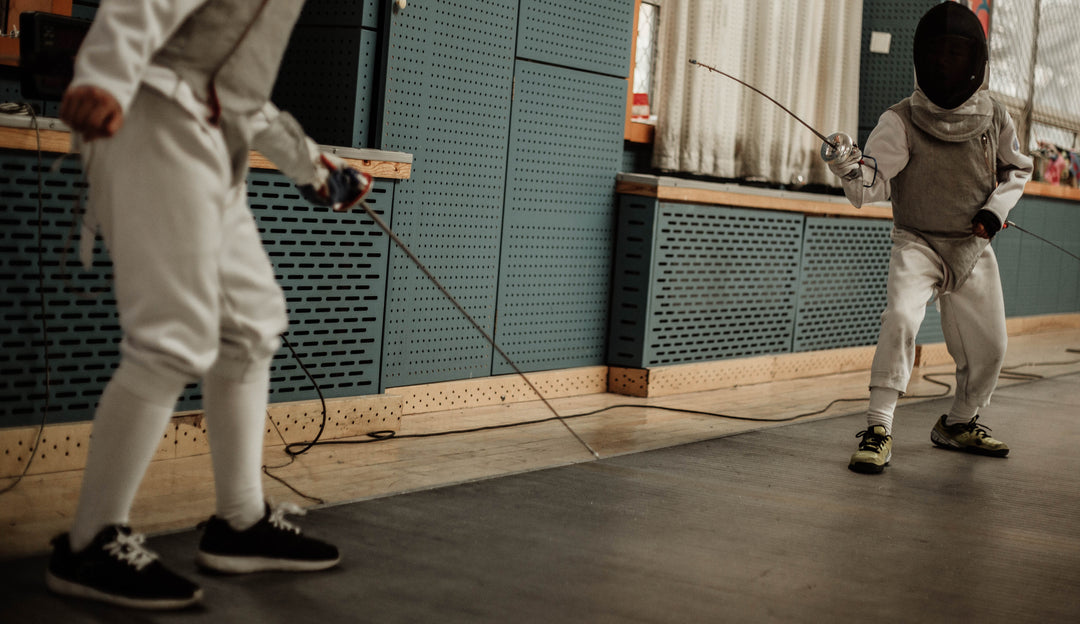
Fencing footwork is explosive and linear. Movements include advances, retreats, lunges and split‑second direction changes. Unlike running shoes designed for forward motion or court shoes designed for multi‑directional jumps, fencing shoes support lateral stability and control while remaining low to the ground. The Prieur USA guide on choosing fencing shoes notes that a proper shoe offers heel support to reduce impact during lunges, lateral support for swift direction changes and a level sole for a stable base. Generic athletic shoes can be too cushioned or lack side support; they absorb power and allow your foot to slide, leading to slower reactions and more injuries.
A 2024 biomechanical study compared fencing shoes, court shoes and fencing shoes with a heel cup and showed that the ankle plantarflexion during push‑off was significantly slower with fencing shoes, meaning that more force is transmitted rather than absorbed. Proper shoes therefore help channel energy into forward motion instead of being lost in soft midsoles.
Key features to look for
| Feature | What it does | Why it matters |
|---|---|---|
| Support (heel, lateral & side) | Reinforced heel cushions impact; lateral support stabilizes side‑to‑side motion; rigid sides prevent the shoe from collapsing during direction changes. | Prevents ankle rolls and injuries; allows efficient power transfer and confident lunges. |
| Reinforcement & durability | Extra layers at high‑wear areas (inner sole, heel and toe) and strong stitching. | Extends lifespan and resists holes from foot drag. |
| Material & weight | Durable textiles and rubber deliver sturdiness; lightweight construction reduces fatigue. | Reduces leg fatigue during long tournaments without sacrificing longevity. |
| Grip & traction | Sticky rubber with herringbone or parallel grooves ensures firm footing on metallic and non‑metallic pistes. | Prevents slips during explosive attacks and sudden stops. |
| Fit & comfort | Snug midfoot and heel; slight room in the toe box; size may be slightly smaller than typical sneakers to reduce sliding. | Eliminates internal slippage, maximizes control and prevents blisters. |
| Breathability | Mesh panels or perforations allow airflow. | Keeps feet cool and reduces moisture, preventing blisters and odour. |
Cushioning and shock absorption
Landing after a lunge places significant force on your heel; cushioning is essential but should be balanced. Modern Duelists explains that a good fencing shoe should absorb heel impact without elevating the heel. A level sole keeps your weight evenly distributed and provides a stable base. Too much cushioning can slow your reaction and reduce power transfer, while too little may lead to joint pain.
Grip and lateral stability
You need a tread pattern designed for back‑and‑forth movement, not circular pivots. Deep rubber grooves provide traction on metal strips and gym floors. Shoes with herringbone or parallel grooves grip better than foam‑soled running shoes. Lateral stability stops your foot from rolling during a lunge; look for rigid sidewalls and a stable lateral wrap.
Weight and flexibility
A fencing shoe must be light enough to avoid fatigue yet sturdy enough to protect. Flexible forefoot areas enable deep lunges, while a firmer heel provides support. Overly stiff shoes feel restrictive, but shoes that are too flexible risk ankle rolls. The ASICS Gel‑Resolution 8, widely regarded as a top overall shoe, balances flexibility with stiffness and provides a soft yet responsive midsole. Meanwhile the ASICS Gel‑Rocket 10 offers good traction and support at a lower cost but may feel heavier.
Personal considerations when choosing shoes
Foot shape and fit
- Wide or narrow feet: Identify where your foot is wide or narrow. Modern Duelists warns that a popular shoe may not fit your unique foot. Brands like Adidas and Excalibur tend to run wider, while Nike’s Ballestra line runs narrow.
- Arch support vs flat: Fencers with high arches may appreciate built‑in arch support, while those with flat feet should avoid shoes with pronounced arches.
Weight vs cushioning
Light shoes feel quick and reduce fatigue, but heavier shoes often provide more padding and durability. Decide whether responsiveness or cushioning is more important to you. The Gel‑Rockets, for example, are durable and affordable but have more arch and weight.
Responsive vs cushioned feel
Some fencers prefer thin, responsive soles to feel the piste, while others need more shock absorption. Try lunging in different shoes to see what feels natural; Modern Duelists emphasises that there’s no substitute for trying them on.
Specialized vs. indoor court shoes
Purpose‑built fencing shoes are engineered for our sport, but they are expensive. Indoor court shoes (badminton, squash or volleyball shoes) can be excellent alternatives, offering good grip and lateral support at a lower price. Battlewares highlights that some indoor court shoes “can outperform specialized ones”. The modern dualists blog suggests that fencing shoes from major brands are often narrow, heavily padded and “aren’t all that great for fencing”, recommending indoor court shoes instead.
However, dedicated fencing shoes do have benefits: they are designed with rounded heels and reinforced sides. The biomechanical study cited earlier showed that fencing shoes reduced attack time compared with court shoes. If you fence frequently or compete, the extra performance and injury prevention may justify the cost.
When to upgrade
- Beginners and children: The Academy of Fencing Masters recommends not wasting money on expensive fencing shoes for children who are still growing. Start with affordable court shoes until growth slows.
- Intermediate fencers: Once you fence multiple times per week or compete on metallic strips, consider investing in dedicated footwear with reinforced soles and heel support. Shoes like Adidas D’Artagnan or Excalibur 2 balance durability and price.
- Advanced competitors: High‑performance shoes (Nike Ballestra 2, Azza 15/14) offer the best combination of grip, cushioning and lateral support but come at a premium. Their features help when milliseconds determine the outcome.
Budgeting and saving money
Fencing shoes can be pricey, but there are ways to avoid overpaying:
- Choose court shoes initially: Coaches often recommend starting with volleyball or badminton shoes. They provide adequate lateral support and grip but cost much less than specialty shoes.
- Avoid running shoes: Running shoes have thick heels and flexible soles that lack lateral support and can slow your lunge.
- Wait for sales or buy prior‑year models: New releases often replace last year’s models; the older version may drop in price while still offering similar performance.
- Protect your shoes: Only wear fencing shoes on the piste; outdoor surfaces quickly abrade the soft rubber. Keeping them clean and dry prolongs their life.
- Plan for yearly replacements: Soft‑soled shoes wear out after about a season. The Academy of Fencing Masters advises expecting shoes to last roughly one year.
Custom insoles and orthotics
Even the best shoe can feel uncomfortable or break down quickly if you pound the strip several times a week. Many fencers add aftermarket insoles or custom orthotics to fine‑tune the fit and extend the life of their footwear. High‑performance insoles like the Dynasole are built specifically for fencing: they use open‑cell foam that springs back to its original thickness, provide extra cushioning and shock absorption, transport moisture and reduce odour with an antimicrobial formula. Because the foam retains its rebound, the insoles maintain their support and can be moved from one pair of shoes to another.
Fencers with flat feet, high arches or chronic foot pain may benefit from custom orthotics. Companies such as Fencer’s Orthotics use pressure‑plate technology and 3‑D scanning to create personalized inserts that correct alignment problems, reduce pronation, and distribute pressure evenly across the foot. In addition to easing discomfort, a proper orthotic improves balance and power transfer and can help prevent overuse injuries. If you train multiple days per week, investing in quality insoles or custom orthotics can be a cost‑effective way to make your shoes last longer and keep your feet happy.
Case study: Azza Fencing — innovation by and for fencers
Azza Fencing shoes are designed by five‑time Olympian Azza Besbes and incorporate technologies developed from athlete feedback. They feature a nylon midsole plate that balances flexibility and stability, enhancing energy return during quick lunges. The personalized insole offers targeted cushioning and arch support to reduce fatigue, while reinforced toe and heel guards absorb shock and maintain balance. An extended grip area on the sole provides traction at the forefoot and heel for attacks and recoveries. Lightweight yet robust materials and breathable mesh keep the shoe light and comfortable. These shoes illustrate how modern innovations can deliver both performance and durability, though they come at a premium price.
Comparing popular models and brands
Different brands prioritize different aspects. The shoes below reflect the latest models available in 2026 and show how each brand balances weight, support and price.
| Model/Brand | Notable features | Pros | Cons |
|---|---|---|---|
| Nike Air Zoom Fencer (2025) | Breathable upper with seamless lining for a secure but comfortable fit; abrasion‑resistant materials in high‑wear areas; highly flexible forefoot and rounded heel for nimble advances and retreats; Nike Zoom Air and Poron® foam provide extra cushioning; outsole maximizes traction on competition surfaces; up to 20 % lighter than many performance shoes. | Lightweight yet cushioned; excellent traction and flexibility; durable reinforcements in key areas. | Higher price (~$180); runs small—Nike recommends ordering a half‑size up. |
| Nike Ballestra 2 (legacy) | Narrow fit with thin, level sole and reinforced heel/lace cover. | Exceptional durability and traction. | Expensive (~$195); narrow fit may not suit wide feet. |
| Prieur Excalibur 2 | Medium‑wide fit with slight arch support; reinforced in high‑wear areas; excellent traction; enhanced ankle and heel protection; lightweight padding. | Balanced support and durability at a moderate price (~$125); grips well on different surfaces. | Slightly heavier than some court shoes; price higher than Excalibur 1. |
| ASICS Gel‑Rocket 12 | Supportive upper for lateral movements; TRUSSTIC™ midfoot insert improves stability; GEL™ cushioning absorbs impact; breathable mesh with supportive overlays; strategically placed flex grooves in the outsole promote natural motion. | Affordable indoor court shoe with good grip and cushioning; available in wide sizes; flexible yet stable. | Slightly heavier than some fencing‑specific shoes; heel is flatter than specialized fencing footwear. |
| ASICS Gel‑Resolution X | Built for durability and lateral control; offers premium arch support, customizable Dynalacing and padded interiors; provides excellent traction, stability and impact protection. | Unbeatable durability and support; perfect for wide feet; improved energy return over previous versions. | Heavy and requires a long break‑in period; unusual fit and raised collar may not suit all fencers. |
| Adidas D’Artagnan V | Non‑marking rubber outsole; extremely light and flexible; advanced heel support; provides traction on wood, concrete and metal surfaces. | Long‑lasting and comfortable; wide fit with reinforced medial side; priced around $170. | Runs small—size up one full US size; heavier than nimble court shoes. |
| Azza 15/14 | Nylon midsole plate balances flexibility and stability; personalized insole; extended grip area; breathable, lightweight materials. | High performance with excellent stability and durability; official shoe of USA Fencing. | Premium price and limited availability. |
| Yonex Aerus Z2 | Featherweight design (~274 g per shoe) with minimal toe‑box and midsole padding; Double Raschel Mesh upper for breathability; Radial Blade Sole disperses weight and improves grip; Power Cushion+ technology boosts shock absorption and energy return; cushioned heel and wide tongue for secure fit. | Ultra‑light and nimble; breathable with solid heel cushioning; improved grip and energy return; ideal for agile fencers and those seeking maximum speed. | Minimal toe and midsole padding leads to fatigue and less protection; not suited to heavy or high‑volume training; durability concerns due to lightweight construction; primarily designed for badminton rather than fencing. |
| Fencing Star Nebula/Tempest | FF‑Anti‑Torsion technology enhances balance; wrap‑around KPU upper delivers a secure, sleek fit; dual‑density pads cushion impact and improve stability; the Tempest’s high‑elasticity, non‑marking MD sole provides strong grip and ventilation for comfort. | Affordable entry‑level shoes with good ventilation and grip; improved balance and shock absorption; accessible price point. | Fewer long‑term reviews and limited size range; may not match premium brands for durability. |
| Octav Excel 2025 | NitroImpact™ foam—nitrogen supercritical technology—for ultra‑light, responsive cushioning; Stabilix™ heel support; integrated anti‑torsion plate for rapid footwork; DuronTech™ rubber outsole delivers exceptional grip and durability. | Super‑lightweight and responsive with excellent stability and traction; designed by fencers for fencers. | Higher price and limited colour options; long‑term durability of new foam technology remains to be seen. |
| Rophoo | Functional design reminiscent of the Adidas D’Artagnan IV; features a thin protective layer on the inner heel, perforation vents for breathability, removable insoles that allow custom inserts, and a light, flexible toe box. | Affordable (~$99) and widely available; breathable and lightweight; removable insoles accommodate orthotics. | Thin protective layer and quickly degrading tread reduce durability; limited sizing (up to US 11.5); offers modest support—competitive fencers may prefer more supportive shoes. |
These examples illustrate trade‑offs between weight, support, durability and cost. Decide what matters most — price, fit or performance — and pick the model that aligns with your fencing style.
Final thoughts
A good fencing shoe is more than a sneaker; it’s a performance tool. Look for support, grip, durability, proper fit and the right balance of cushioning and flexibility. Consider your experience level and how often you fence. Beginners can often use affordable indoor court shoes until they refine their footwork, while advanced fencers benefit from specialized models that shave milliseconds off their attacks and protect joints. Remember that shoes wear out after roughly a season, so plan your budget accordingly.
Visit Fencing Club for gear
Browse our selection of fencing shoes from trusted brands at Fencing Club or go straight to our shoe collection to compare models. While you’re there, check out our fencing socks, made to reduce friction and keep your feet comfortable during long bouts.